
Before
You start in a blank chat and keep adding context after AI gets the task wrong.
After
You give AI the goal, context and limits before it starts.
AI1: Six live sessions in Czech
Stop re-explaining tasks to AI and fixing what it gets wrong. Over six weeks, build a way to give AI useful work, check the result and get the job done.
Make AI Do What You Need is AI1 of the AI Program: six live online sessions in Czech for engineering managers and senior engineers who want AI to finish real work. Bring work you already need to do. Use what you learn between sessions, then get direct feedback on what worked and what did not.
6 Monday sessions, 09:00–12:00, 19 Oct – 23 Nov 2026. Online in Czech.Led by Petr Glaser. Cohort capped at 12, runs from 6. Closes when full.
You pay for yourself: 64,000 CZK per seat. Your company pays: 98,000 CZK per seat




Not for
Who it is for
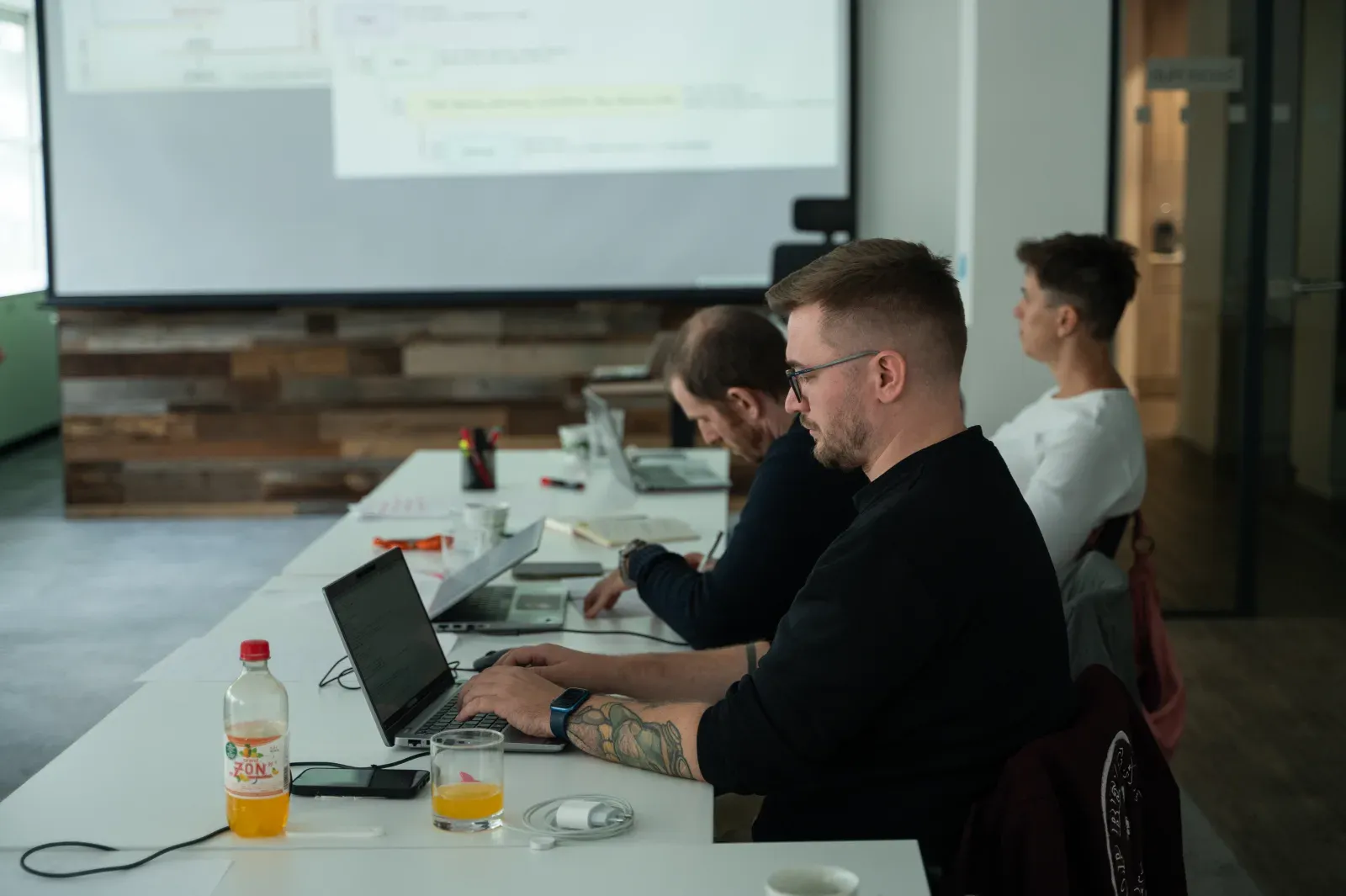
AI can produce a first draft in minutes. Review, tests and handoff still take time. You will work through the whole job on your own tasks, then bring the results back each week.
The program
Bring a vague task from your own work. Before any code, the agent asks about missing information, risks, limits and what done means, and you mark the decisions only a person can make. You leave with a short brief, the open questions and your first checkpoints.
Point the agent at a codebase or PR you barely know. Trace the entry points, calls, dependencies, tests and what a change would affect, and keep what the code proves apart from what the agent guesses. You leave with a short map of the affected part and context you have checked.
Compare options and cut the one you pick into slices you can verify. Draw a DAG, a map of what depends on what, and turn each slice into a sub-issue with inputs, outputs, boundaries and a stop condition. You leave with a plan and a first queue of tasks you can safely hand to agents.
Give an agent one task you can check, and run agents in parallel only when the work is independent. Read the output as it comes, deal with failures and pick the model and cost that fit each kind of task. You leave with your first shipped change and a log of what you decided and what went wrong.
Have an agent review the change from a different angle than the agent that built it, and cover the critical properties with tests, types or other deterministic checks. Then see the change through debugging, review, testing and handoff until it is done. You leave with checks tied to your risks and a change you can defend.
After every session you capture one step that worked as a small skill. Now you test each one on new input, cut it down and combine the set into one personal workflow, then run it on a second real task. You leave with a set of reusable skills and two real tasks where you used them.
You start in a blank chat and keep adding context after AI gets the task wrong.
You give AI the goal, context and limits before it starts.
Your weekly report or incident summary starts from scratch every time.
You reuse a skill you built for that task.
AI gives you a plausible answer, but you still have to check every part of it.
You know which parts need your judgment and which checks you can automate.
The first draft is fast. Review, tests and handoff still hold the work up.
You plan for those steps and keep the context the next person needs.
Format
You pay for yourself: Invoice in your name. One or two seats. Your company pays: Invoice to the company with its VAT ID, entered at checkout. Up to 12 seats in one booking.
Register and pay within three days after the webinar and you also get a 1:1 call with Petr about your own AI use case.
Refund rule
Cohort capped at 12, runs from 6. Closes when full.
Notify me about the next cohort
Prices in CZK, excl. VAT. Paid on reservation via Stripe.
What nobody else offers
Bring a task you need to finish. Petr helps you apply the method to it.
Try each step at work before the next session. Bring back the result and get feedback.
Build reviews and checks around the mistakes that matter in your work.
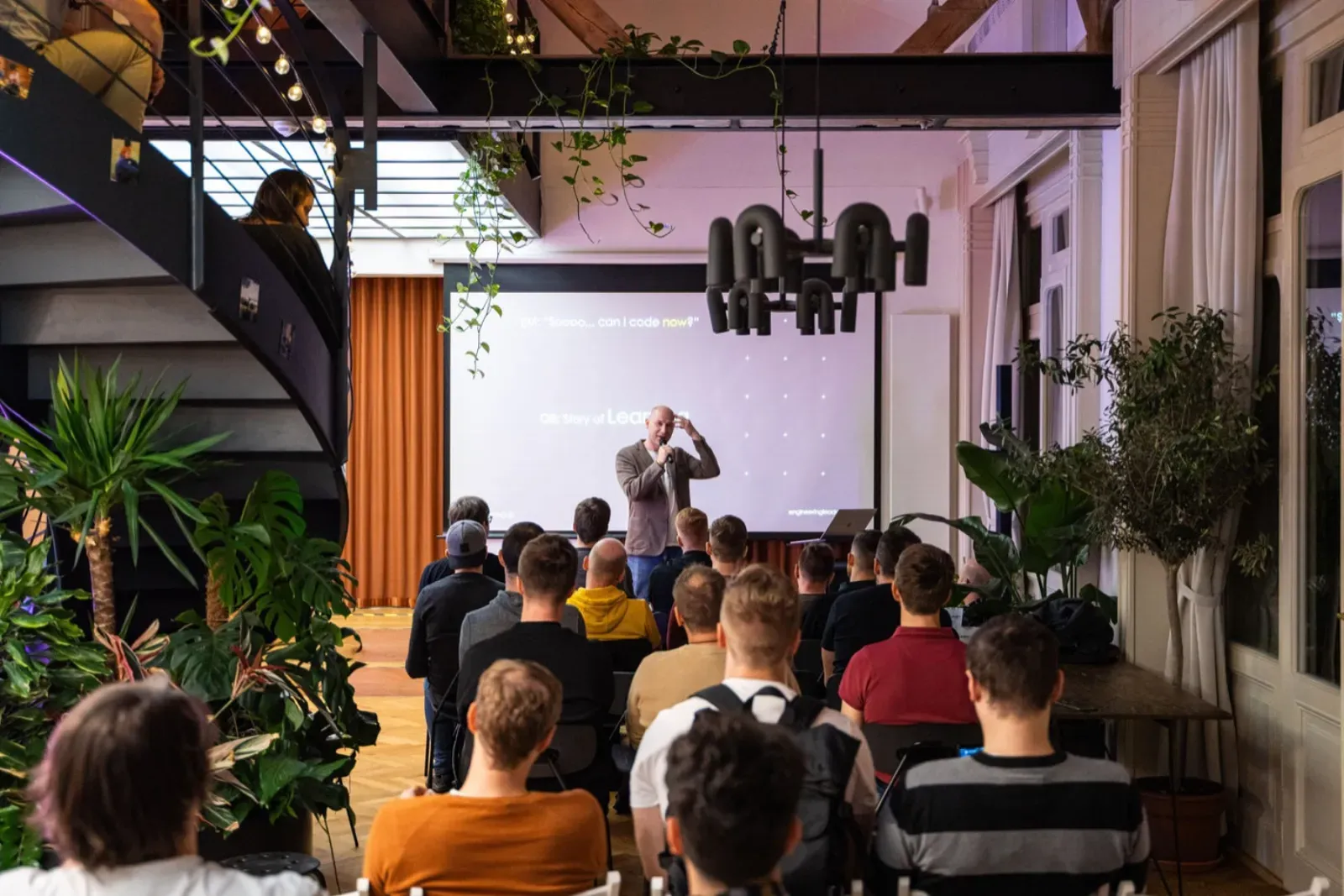
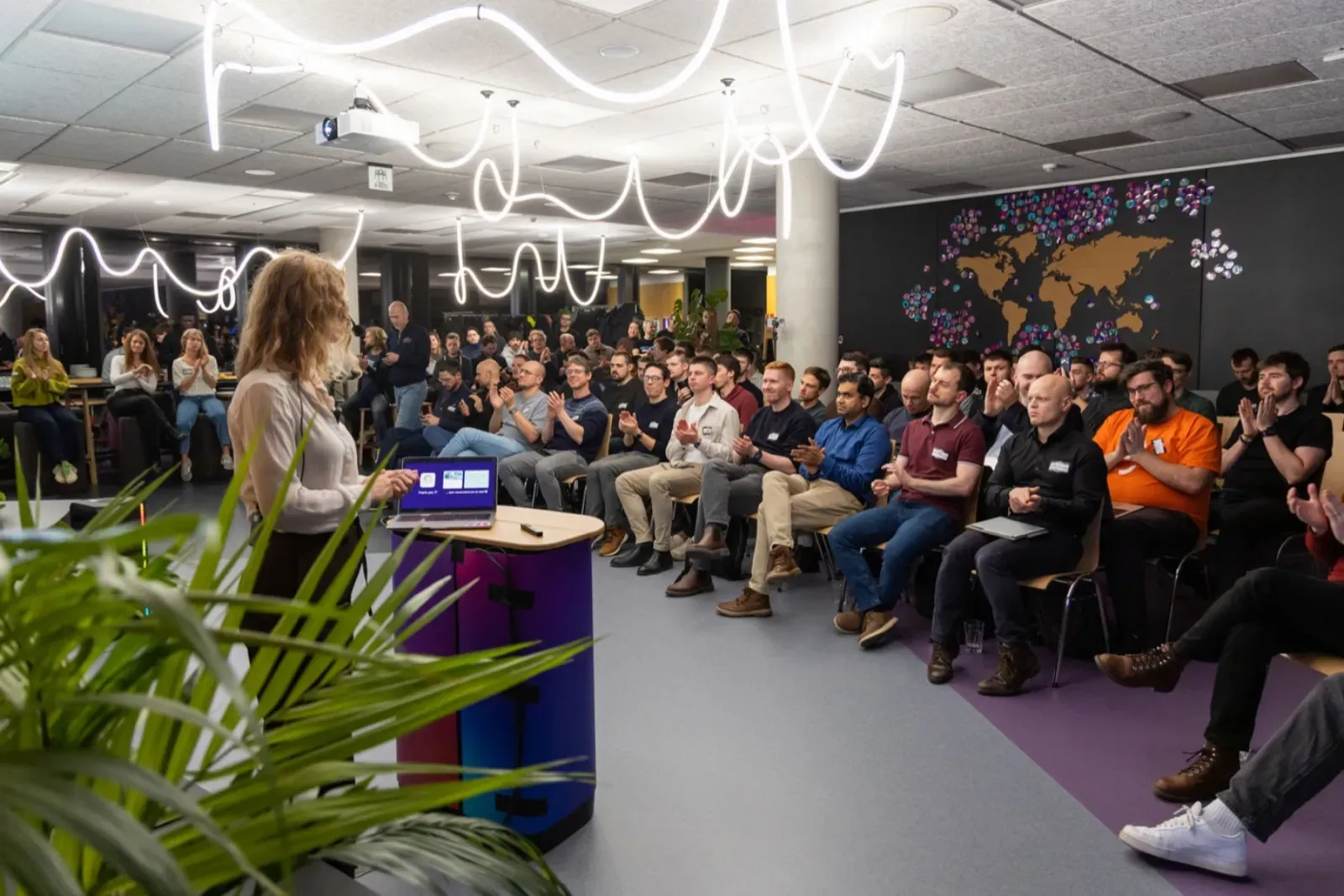
The group is small enough to discuss real work, not only watch a demo.
“Review and testing decide whether faster coding saves you any time.”
Proof, honestly labeled
This is the first AI1 cohort. The ratings and company logos come from earlier Academy programs, not this course.
Questions
You do not need to code. Some exercises use a terminal, and Petr will walk you through them.
We use Claude for shared exercises. Bring the AI tools you already use; before session 1 we confirm what fits and what access you need.
You get the recording and can catch up before the next session.
It runs from 6 people. We decide on 9 October and refund you in full if it does not run.
Yes. Enter your company details at checkout and Stripe issues the invoice.
More from the Academy
In the ELC community
Bring a real task. Leave knowing how to do it with AI and check the result.
Ready for the full operating rebuild? The AI-Native Engineering Manager →